Cubic Yard Calculator: Calculate Material Volume Easily
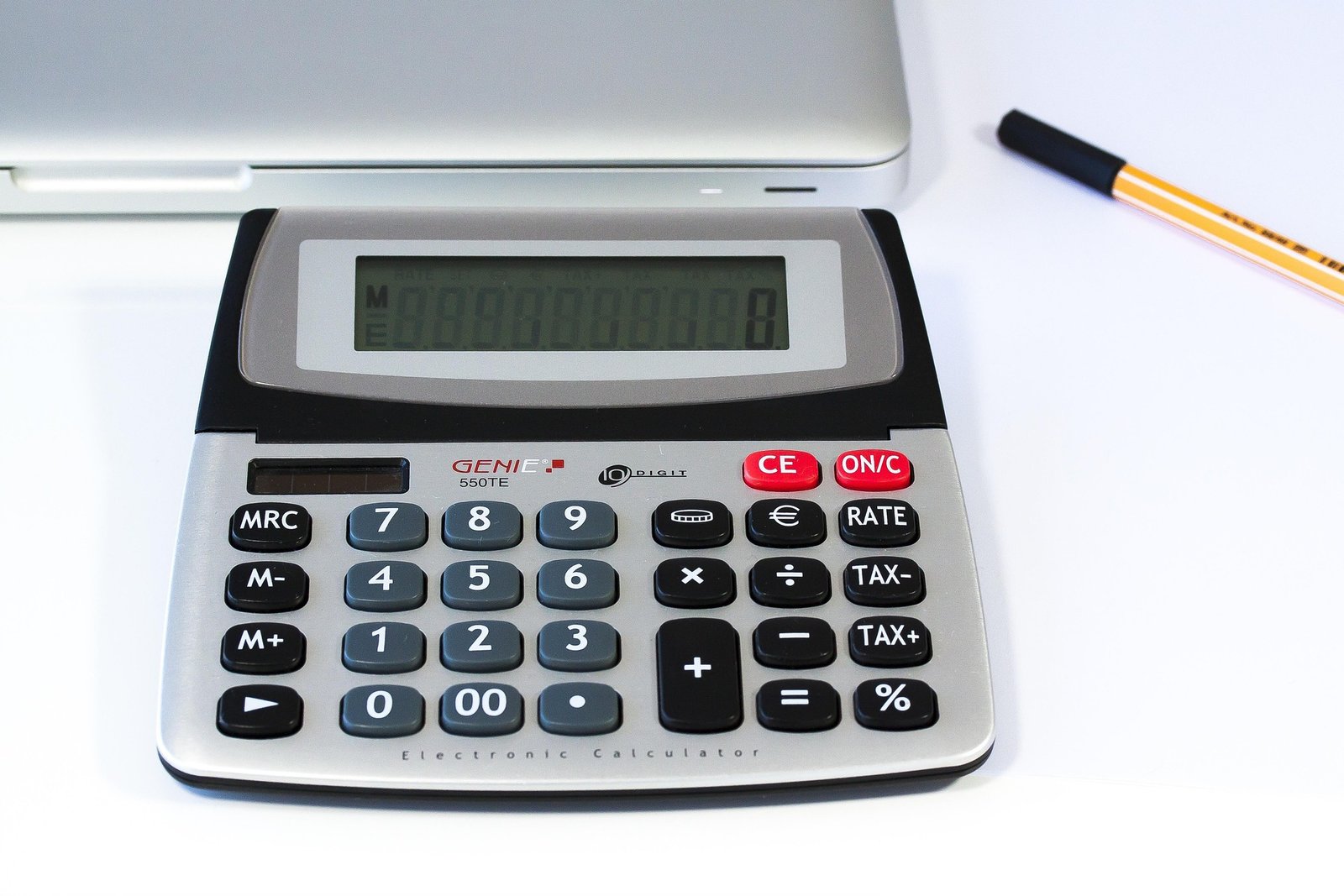
A cubic yard calculator is a useful tool for estimating how much material you need for landscaping, gardening, construction, excavation, and home improvement projects. Whether you are ordering topsoil, mulch, gravel, sand, or another bulk material, knowing the required volume can help you avoid ordering too much or too little.
Since many suppliers sell bulk materials by the cubic yard, calculating the required amount before placing an order can make project planning easier. With the right measurements, you can quickly determine the approximate quantity of material required for your project.
What Is a Cubic Yard?
A cubic yard is a measurement of volume commonly used in the United States for bulk materials. One cubic yard is equal to a space measuring 3 feet long, 3 feet wide, and 3 feet high.
The calculation is:
3 × 3 × 3 = 27 cubic feet
Therefore:
1 cubic yard = 27 cubic feet
This conversion is important because many projects are measured in feet while materials are sold by cubic yards.
How Does a Cubic Yard Calculator Work?
A cubic yard calculator determines the volume of an area based on its length, width, and depth. Once the volume in cubic feet has been calculated, it is converted into cubic yards.
For a basic rectangular area, the formula is:
Length × Width × Depth = Cubic Feet
Then:
Cubic Feet ÷ 27 = Cubic Yards
For example, imagine you have a garden area that is 20 feet long, 10 feet wide, and 6 inches deep.
First, convert 6 inches into feet:
6 ÷ 12 = 0.5 feet
Then calculate the volume:
20 × 10 × 0.5 = 100 cubic feet
Finally:
100 ÷ 27 = 3.7 cubic yards
The estimated requirement would therefore be approximately 3.7 cubic yards.
Why Use a Cubic Yard Calculator?
Calculating material requirements manually is possible, but an online calculator can make the process faster and more convenient. It can also help reduce common calculation mistakes.
Save Time
You only need to measure the project dimensions and enter them into the calculator. The tool handles the mathematical conversion, giving you an estimate without requiring several manual calculations.
Estimate Material Requirements
Knowing the approximate number of cubic yards required can help you determine how much material to order. This is especially useful for large landscaping and construction projects.
Control Project Costs
Buying too much material can increase your expenses, while ordering too little may require an additional delivery. A volume estimate helps you plan your purchase more efficiently.
Simplify Material Ordering
Many suppliers list prices for materials by cubic yard. Having an estimated quantity ready can make it easier to compare prices and request delivery.
What Can You Calculate in Cubic Yards?

A cubic yard calculator can be used for many different types of bulk materials.
Mulch
Mulch is commonly used around trees, flower beds, gardens, and landscaping areas. Calculating the required volume can help you determine how many cubic yards to order based on the size and desired depth of the area.
Topsoil
Topsoil may be needed when creating or improving lawns, filling garden beds, or preparing planting areas. Measuring the area before ordering can help you estimate the amount of soil required.
Gravel
Gravel is frequently used for driveways, pathways, drainage projects, and decorative landscaping. Because it is often sold by the cubic yard, calculating the required volume can make purchasing easier.
Sand
Sand can be used for construction, landscaping, leveling, patios, and other projects. The required quantity depends on the dimensions and depth of the area.
Concrete
Concrete can also be measured by volume. However, concrete projects may require more detailed calculations because reinforcement, forms, waste, and project specifications can affect the final quantity.
How to Calculate Cubic Yards Manually
If you do not have access to a calculator, you can calculate cubic yards using a simple formula.
Suppose your project is:
- Length: 15 feet
- Width: 12 feet
- Depth: 4 inches
Convert the depth to feet:
4 ÷ 12 = 0.333 feet
Now multiply the measurements:
15 × 12 × 0.333 = 59.94 cubic feet
Convert cubic feet to cubic yards:
59.94 ÷ 27 = 2.22 cubic yards
So you would need approximately 2.22 cubic yards based on these measurements.
Converting Inches to Feet
Depth is often measured in inches, especially for mulch, soil, gravel, and other landscaping materials. Before using the cubic yard formula, convert inches into feet.
Some common conversions are:
| Inches | Feet |
|---|---|
| 1 inch | 0.083 ft |
| 2 inches | 0.167 ft |
| 3 inches | 0.25 ft |
| 4 inches | 0.333 ft |
| 6 inches | 0.5 ft |
| 8 inches | 0.667 ft |
| 12 inches | 1 ft |
For example, if you want a 3-inch layer of mulch, use 0.25 feet as the depth in your calculation.
Calculating Circular Areas
Not every project has a rectangular shape. If you are working with a circular area, the calculation is slightly different.
First, determine the radius of the circle. Then use:
Area = π × radius²
After finding the area, multiply it by the required depth to determine the volume. If your result is in cubic feet, divide it by 27 to convert it into cubic yards.
For complicated shapes, dividing the project into several smaller sections can make the calculation easier.
Calculating Irregular Areas
Some landscaping and construction projects have irregular shapes that cannot be measured with one simple formula. In this situation, divide the area into smaller sections.
For example, an irregular garden could be divided into two or three rectangular sections. Calculate the cubic yards for each section separately and then add the results together.
This method can provide a more practical estimate for projects with unusual layouts.
Common Cubic Yard Calculation Mistakes
Several simple mistakes can affect your final estimate.
Using Inches Instead of Feet
If the length and width are measured in feet, do not enter a depth of 4 when the actual depth is 4 inches. Convert it to approximately 0.333 feet first.
Forgetting to Divide by 27
After calculating cubic feet, divide the result by 27 to determine cubic yards.
Mixing Different Units
Always make sure your measurements are converted into compatible units before calculating the volume.
Measuring the Area Incorrectly
Small measurement errors can become significant when working with large areas. Measure the length, width, and depth carefully before entering the values.
Should You Order Extra Material?
Your calculation provides an estimate based on the dimensions you enter. Real-world conditions can affect how much material is actually required.
For example, mulch, soil, and gravel may settle after installation. Some material can also be lost during transportation or spreading.
The amount of additional material needed depends on the project and material type. For larger projects, checking with the supplier can help you determine whether an additional allowance is appropriate.
Cubic Yards and Cubic Feet
Understanding the difference between cubic yards and cubic feet is essential when ordering bulk materials.
The main conversion is:
1 cubic yard = 27 cubic feet
For example:
54 cubic feet ÷ 27 = 2 cubic yards
And:
135 cubic feet ÷ 27 = 5 cubic yards
This simple conversion allows you to understand material quantities even when a supplier uses different measurement units.
Tips for Getting an Accurate Estimate
Before using a cubic yard calculator, measure the project carefully. Record the length and width, then determine the desired depth.
Make sure all measurements use the same unit system. If the depth is in inches, convert it to feet before calculating.
For large or irregular projects, break the area into smaller sections and calculate each section separately. Finally, compare your estimated quantity with the supplier’s recommendations before placing a large order.
FAQs
How many cubic feet are in a cubic yard?
One cubic yard contains 27 cubic feet.
What is the formula for cubic yards?
Multiply the length, width, and depth in feet to get cubic feet, then divide that number by 27.
Can I use inches in a cubic yard calculation?
Yes, but you should first convert the inches into feet. Divide the measurement in inches by 12.
What materials can a cubic yard calculator measure?
It can be used for materials such as mulch, topsoil, gravel, sand, concrete, and other bulk materials.
How accurate is a cubic yard calculator?
The calculation can be accurate when the measurements are accurate. However, real-world factors such as settling, waste, and uneven surfaces may affect the final quantity required.
How much is one cubic yard?
One cubic yard represents 27 cubic feet of volume. The actual price depends on the material, supplier, location, delivery, and quality.
Conclusion
A cubic yard calculator makes it easier to estimate the amount of bulk material required for landscaping, gardening, construction, and home improvement projects. By entering accurate measurements for length, width, and depth, you can calculate the project’s volume and convert it into cubic yards.
Understanding that one cubic yard equals 27 cubic feet is the key to making these calculations. Whether you are ordering mulch for a garden, gravel for a driveway, topsoil for a lawn, or sand for a construction project, calculating the required volume beforehand can help you plan your materials and budget more effectively.